Professional Kitchen Design in Rockville, MD
Quick Take: Professional kitchen design improves remodeling results by solving layout and construction problems before work begins. Detailed floor plans, 3D rendering tools, and coordinated material selection help Rockville homeowners avoid expensive mistakes during kitchen remodeling projects. With proper planning, most remodels move through construction more smoothly and with fewer surprises.
If you have ever talked with someone who remodeled their kitchen, you probably heard a few stories about things that did not go as planned. A cabinet that did not fit the way they expected. An island that ended up too close to the dishwasher. Or a layout that looked great on paper but felt awkward once they started using the space.
That is where professional kitchen design makes a big difference. Instead of figuring things out during construction, the design phase helps solve layout problems before demolition begins. Below, you will see how professional planning improves remodeling results and why many homeowners around Rockville start their renovation projects with a detailed design process.
1. Starts With How You Actually Use the Space
When people first start thinking about remodeling their kitchen, they usually focus on finishes. Cabinet colors, countertops, backsplash tile, and lighting tend to get the most attention early on.
A professional kitchen designer starts somewhere else. The first step is understanding how you actually use your kitchen day to day.
For example, some families cook every evening and need plenty of prep space. Others mainly use the kitchen for quick meals and weekend gatherings. If you enjoy entertaining, your layout may need more seating or wider walkways so guests can move around comfortably.
Storage also varies from household to household. Someone who cooks often might need deep drawers for pots and pans, while another homeowner may prefer tall pantry cabinets for groceries.
By asking these kinds of questions, designers create floor plans that match your routine. Instead of forcing a layout into the space, the design adapts to how you live. Once those habits are clear, the next step is organizing the layout so everything flows naturally.
2. Smart Layout Planning Prevents Function Problems
A kitchen can look beautiful and still be frustrating to use if the layout is not planned carefully. Here’s how professional kitchen design can help you in that matter:
Work Triangle and Workflow
One of the first things designers look at is the work triangle. That simply refers to the distance between the sink, stove, and refrigerator.
In most kitchens, the ideal distance between those points falls somewhere between four and nine feet. If everything is packed too tightly, the kitchen feels crowded. If appliances are spread too far apart, cooking becomes inefficient.
A balanced layout helps you move naturally between these areas while preparing meals.
Walkways and Clearance Planning
Clearance space is just as important. Kitchens often become gathering places where family members or guests move through the room at the same time.
Designers usually plan for about 42 to 48 inches between opposing counters. Islands need similar attention so appliance doors can open comfortably and people can walk around without bumping into each other.
When these layout details are planned early, the kitchen ends up feeling far more comfortable to use. After the layout is organized, the next step is making sure everything actually fits the space.
3. Accurate Measurements Prevent Installation Problems
This part of the design process may not sound exciting, but accurate measurements are one of the most important steps in a successful remodel.
Many homes around Rockville were built decades ago, and walls are not always perfectly square. Floors can slope slightly from one side of the room to the other. Professional designers measure these conditions carefully so cabinets and appliances fit correctly during installation.
Careful planning helps prevent several common installation problems:
- Refrigerator doors are hitting cabinet panels
- Dishwashers that cannot open fully because of the island placement
- Cabinet drawers blocked by appliance handles
- Range hoods installed at the wrong height
- Wall cabinets are placed too close to the cooktop
Each of these issues might seem small, but fixing them during construction can be frustrating and expensive. Accurate measurements help ensure the design works properly before materials are ordered. Once that step is complete, you can move forward with choosing finishes and materials.
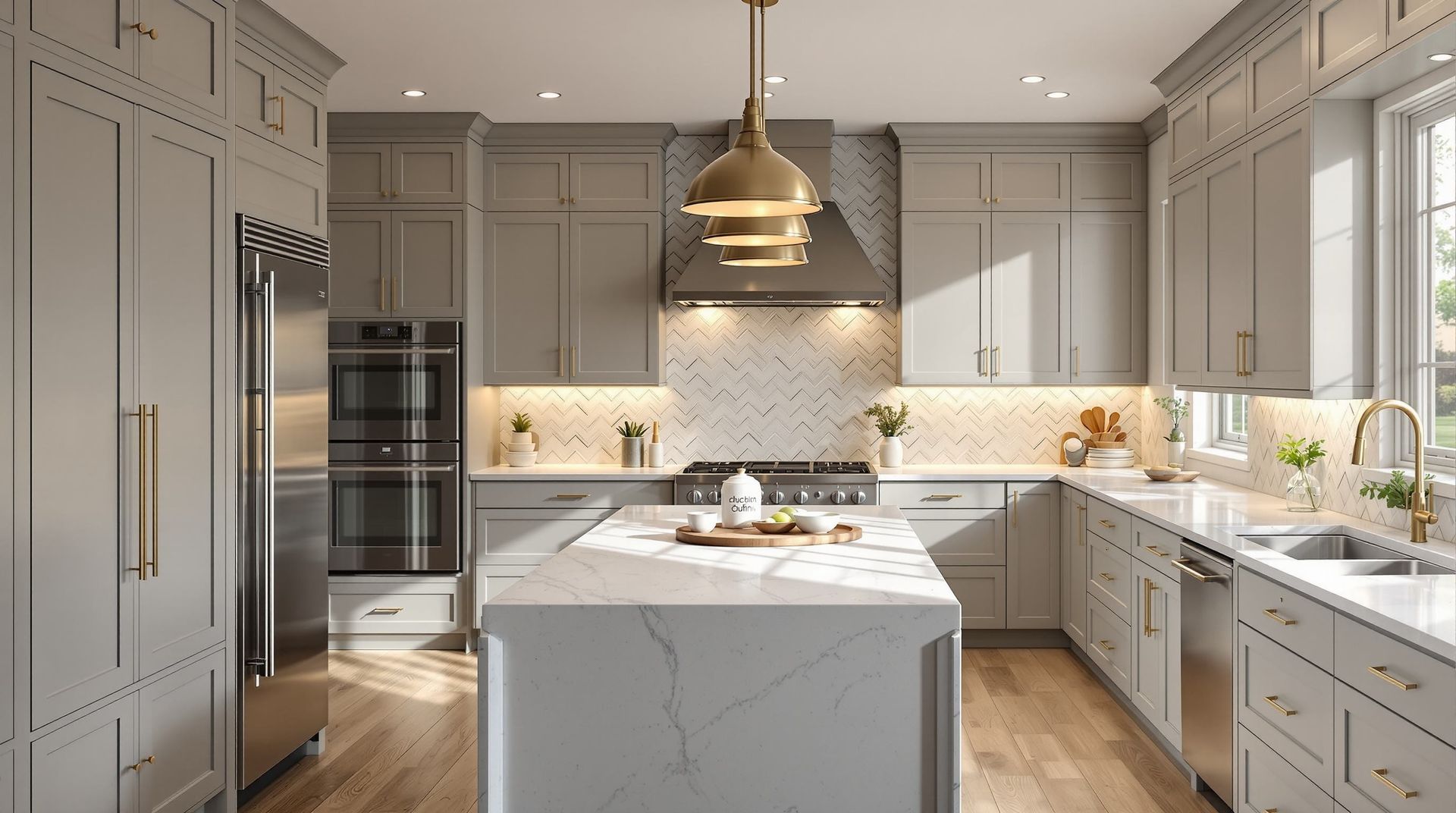
4. Material Selection Is Easier With a Design Plan
Choosing materials is usually the part homeowners enjoy most. But without a clear design plan, it can quickly become overwhelming.
When the layout and floor plans are already finalized, material decisions become much easier. Instead of guessing what might work, you are selecting finishes that fit the design you already approved.
Most designers guide homeowners through the process in a simple order.
- Confirm the cabinet layout and storage features
- Choose countertop materials that complement the cabinets
- Select backsplash tile and wall finishes
- Finalize lighting fixtures and cabinet hardware
Cabinetry is often the centerpiece of the kitchen, so many homeowners spend time exploring options for kitchen cabinets during this phase.
Once cabinets are selected, it becomes much easier to coordinate countertops, backsplash tile, and lighting. The finished space ends up looking cohesive instead of pieced together from unrelated choices. With materials selected, contractors can begin preparing for the construction phase.
5. Detailed Plans Help Contractors Work Faster and More Accurately
Once construction begins, contractors rely heavily on the design plans created during the planning stage.
These plans show exactly where cabinets should go, where outlets belong, and how plumbing lines should be routed. Designers often provide 3D rendering images as well so everyone involved can clearly visualize the finished space.
This level of detail helps electricians, plumbers, and installers work from the same information. Instead of stopping to ask questions during construction, the team can follow the design documents step by step.
That coordination becomes especially valuable during larger kitchen remodeling projects where several trades work in sequence. When the plans are clear, the work tends to move faster and with fewer interruptions.
Even with great planning, remodeling can still reveal hidden issues once construction begins.
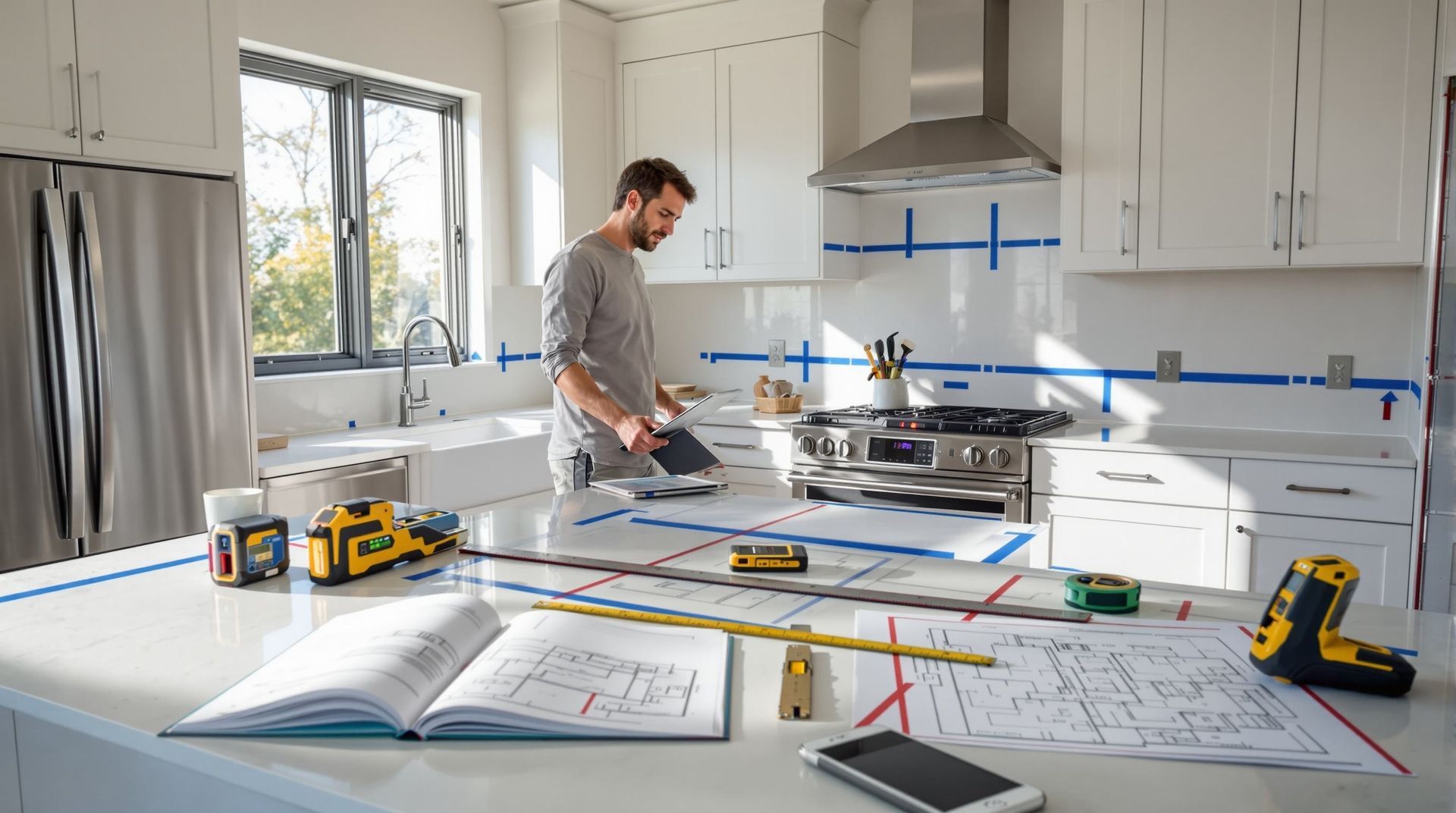
6. Professional Design Reduces Remodeling Surprises
Opening walls during a renovation sometimes exposes problems that were hidden for years. Older wiring, outdated plumbing, or ventilation issues occasionally appear once demolition begins.
Professional kitchen design helps anticipate many of these challenges ahead of time. Designers evaluate the existing kitchen carefully and identify areas where upgrades may be necessary.
Electrical systems might need additional capacity for modern appliances. Plumbing lines may need to move if sinks or dishwashers are relocated. Ventilation also becomes important if you plan to install a stronger range hood.
While no remodel can avoid every surprise, careful planning significantly reduces the chances of major disruptions. That preparation helps construction move forward with fewer unexpected delays.
Conclusion
Professional kitchen design does much more than make a kitchen look good. It helps ensure the space works well once the remodel is finished.
By planning layouts, measurements, and materials ahead of time, designers help prevent the kinds of problems that often slow down construction. The result is a kitchen that not only looks great but also functions better every day.
For many homeowners, investing time in the design phase makes the entire remodeling process smoother and far less stressful.
Start Your Kitchen Remodel With a Professional Design Plan
If you are thinking about remodeling your kitchen in Rockville or nearby Montgomery County communities, starting with a professional design plan can make the process much easier.
At Kitchen and Bath Depot, our team works with homeowners to create detailed layouts, guide material selection, and prepare plans that support the construction phase. Whether you are planning a full kitchen remodeling project or coordinating updates that include bath design or bath remodeling, thoughtful planning helps everything move forward more smoothly.