Kitchen Remodeling in Rockville, MD: When to Start
Quick Take: Many Rockville homeowners begin planning a kitchen remodel when aging materials, layout problems, or lifestyle changes make the space harder to use. In Montgomery County, most kitchen remodeling projects cost roughly $25,000 to $70,000 and take about 6 to 10 weeks once construction begins. Spotting the early signs can help you plan the project before repairs and disruptions start piling up.
Most homeowners do not suddenly decide to remodel their kitchen one day. Usually, the idea builds over time. Cabinets start looking worn, appliances struggle to keep up, and the layout begins feeling more frustrating than helpful. At some point, the kitchen that once worked well just does not fit the way you live anymore.
Homeowners typically notice a few common signs before they start planning a remodel. Sometimes it is a layout that no longer works. Other times, appliances begin failing, or the space simply feels outdated. Knowing what to look for can help you decide when the timing makes sense.
1. Kitchen Layout No Longer Works
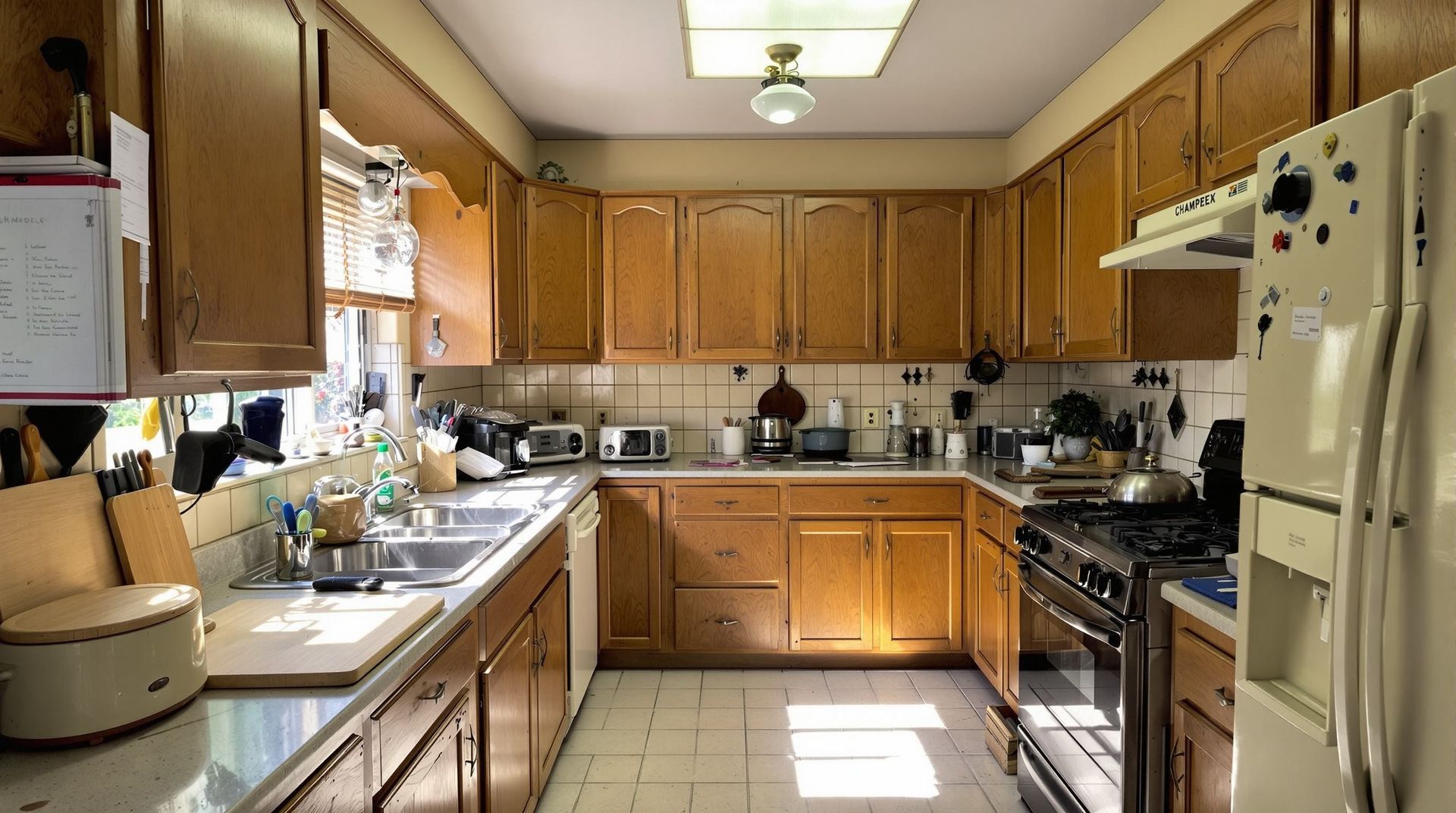
One of the most common reasons people start thinking about remodeling is simple daily frustration. Kitchens built in the 1980s or 1990s were designed differently from what most families expect today. As cooking habits change, those layouts can start feeling cramped and inefficient.
Here are a few layout issues homeowners often notice first:
- Tight walkways. Two people cannot comfortably cook at the same time without getting in each other's way.
- Appliances blocking movement. The refrigerator door or dishwasher might block the main pathway when open.
- Limited counter space. Without enough prep area, even simple meals become harder to prepare.
- Poor cabinet storage. Older kitchens often lack deep drawers, pantry cabinets, or pull-out storage.
- Crowded countertops. When cabinets cannot hold appliances, they end up sitting out all the time.
If your kitchen starts slowing down everyday routines instead of helping them, that is usually the first signal a remodel might be worth considering. Once layout frustrations show up, many homeowners begin paying closer attention to the condition of their appliances and plumbing.
2. Appliances and Plumbing Are Starting to Fail
Appliances, plumbing, and electrical systems all have life spans, and older kitchens often reach a point where multiple things begin failing together.
Appliances Reaching the End of Their Lifespan
Most kitchen appliances last longer than people expect, but they do not last forever. Refrigerators typically run well for about 10 to 15 years. Dishwashers usually last around 8 to 12 years, and microwaves often fall somewhere in the 7 to 10 year range.
When several appliances start breaking down at once, replacing them one by one can get expensive. That is often when homeowners begin thinking about upgrading the entire kitchen rather than continuing with repairs.
Outdated Plumbing Systems
Older plumbing systems can cause problems long before you see an obvious leak. Pipes may corrode over time, connections loosen, and some older plumbing materials no longer meet modern standards.
Remodeling the kitchen gives you a chance to update these systems before they turn into larger repairs.
Electrical Limitations in Older Kitchens
Decades ago, kitchens were not designed for the number of appliances people use today. Coffee machines, air fryers, microwaves, and other countertop devices can quickly overload older electrical circuits.
A remodel gives you the chance to add outlets and upgrade wiring so your kitchen works better with modern appliances.
Water Damage Around Sinks and Dishwashers
Small leaks often hide under sinks or behind dishwashers for months before anyone notices. By the time cabinet panels start swelling or flooring shows signs of damage, the problem has usually been there for a while.
When these kinds of issues start appearing together, many homeowners begin thinking beyond repairs and start looking at the bigger picture of a kitchen renovation. Around the same time, lifestyle changes often start playing a role in the decision.
3. Your Lifestyle Has Changed
Sometimes nothing in the kitchen is technically broken. The space just does not match your lifestyle anymore.
For example, many homeowners in Rockville start considering a remodel when their kids move out. Once the house gets quieter, people often want a kitchen that works better for entertaining friends or hosting family gatherings.
Spending more time at home can also change how you use the space. If you cook more often now than you did years ago, layout issues and storage limitations become much more noticeable.
Working with professionals who handle both kitchen planning and bath design can also help when you start thinking about updating several areas of the home at the same time.
Once your lifestyle shifts, it becomes easier to see why the kitchen that worked years ago may not work as well today. That realization often leads homeowners to think about how a renovation could affect the long-term value of their home.
4. You Want to Protect or Increase Home Value
Another reason homeowners start planning a remodel is home resale value. Even if you are not planning to move soon, the condition of your kitchen can influence how buyers see your home.
Kitchens and bathrooms are usually the first spaces buyers focus on when they walk through a property. An outdated kitchen can make the entire home feel older than it really is.
Updating things like lighting, layout, and especially kitchen cabinets can make a big difference in how the space looks and functions. New cabinets also improve storage, which many buyers notice right away.
Even if selling is years away, homeowners often see a kitchen remodel as an investment in the long-term value of their property. Thinking about resale often leads people to notice the visible wear their kitchen has developed over time.
5. The Kitchen Is Showing Visible Wear
Sometimes, the biggest sign it is time to remodel is simply how the kitchen looks. Years of daily use eventually show up in the materials.
Cabinet doors may start sagging or showing scratches. Countertops might look outdated or worn. Flooring can show signs of heavy traffic or water exposure. Even older lighting fixtures can make the entire room feel darker than it should.
While these cosmetic issues might seem minor at first, they often appear alongside deeper problems. Worn cabinetry might hide structural damage, and outdated finishes sometimes mean plumbing or electrical systems are aging as well.
When both the function and appearance of the kitchen start declining, homeowners usually begin thinking about the right time to move forward with a remodel. At that point, the next step is figuring out when to schedule the project.
Planning the Right Time for a Remodel
Many people assume summer is the best time to remodel a kitchen. In reality, the timing often depends more on planning than the season.
Most kitchen renovations take about six to ten weeks once construction begins. Before that, there is usually a planning phase where you choose materials, finalize the layout, and schedule the project.
Living through a renovation takes some preparation. Many homeowners set up a temporary cooking space somewhere else in the house using a microwave, a small refrigerator, and a portable cooktop.
Permits can also affect the timeline. Some plumbing, electrical, or structural changes require approval in Montgomery County before work begins. Working with professionals who also handle projects like bath remodeling can make the overall planning process smoother.
Once you understand the timeline, it becomes much easier to choose a remodeling window that fits your household schedule.
Conclusion
Most kitchen remodels start with a collection of small frustrations rather than one big problem. The layout becomes harder to use, appliances begin wearing out, and the space simply no longer matches your lifestyle.
Planning early gives you more control over the process. Instead of reacting to unexpected repairs, you can approach the renovation with a clear design plan, a realistic budget, and a timeline that works for your household.
Once you start noticing these signs, it usually means it is worth having a conversation about remodeling.